Energy Work Explained
You may have heard the term 'energy work' and wondered exactly what it means — or perhaps you've experienced a session and walked away feeling profoundly different but couldn't quite explain why. You're not alone. Energy work is one of the most transformative yet misunderstood modalities in holistic wellness, and we'd love to shed some light on what it actually is, how it works, and why so many people are turning to it as part of their healing journey.
What Is Energy Work?
At its core, energy work is a category of holistic healing practice that works with the body's subtle energy systems — the fields, channels, and centers that influence our physical, emotional, and mental well-being. While Western medicine has historically focused on the biochemical and structural aspects of the body, many healing traditions around the world have long recognized that the human body is not just flesh and bone — it is also an energetic being.
Think of it this way: everything in the universe is made of energy vibrating at different frequencies. Our bodies are no different. When our energy flows freely and is in balance, we tend to feel well, centered, and resilient. When it becomes stagnant, blocked, or disrupted — whether through stress, trauma, illness, or emotional burden — we may begin to experience discomfort, fatigue, anxiety, or a general sense of being "off."
Energy work practices aim to support the restoration of this natural energetic balance, creating the conditions in which your body can do what it does best: heal itself.
"Energy is the currency of the universe. When you 'pay' attention to something, you buy that experience." — Emily Maroutian
The Many Forms of Energy Work
Energy work is an umbrella term that includes a wide variety of modalities. Some of the most well-known include:
Reiki: A Japanese technique that uses gentle touch or hands held just above the body to channel healing energy, promoting relaxation and stress reduction.
Craniosacral Therapy: A gentle, hands-on approach that releases tensions deep in the body to relieve pain and dysfunction and improve whole-body health and performance.
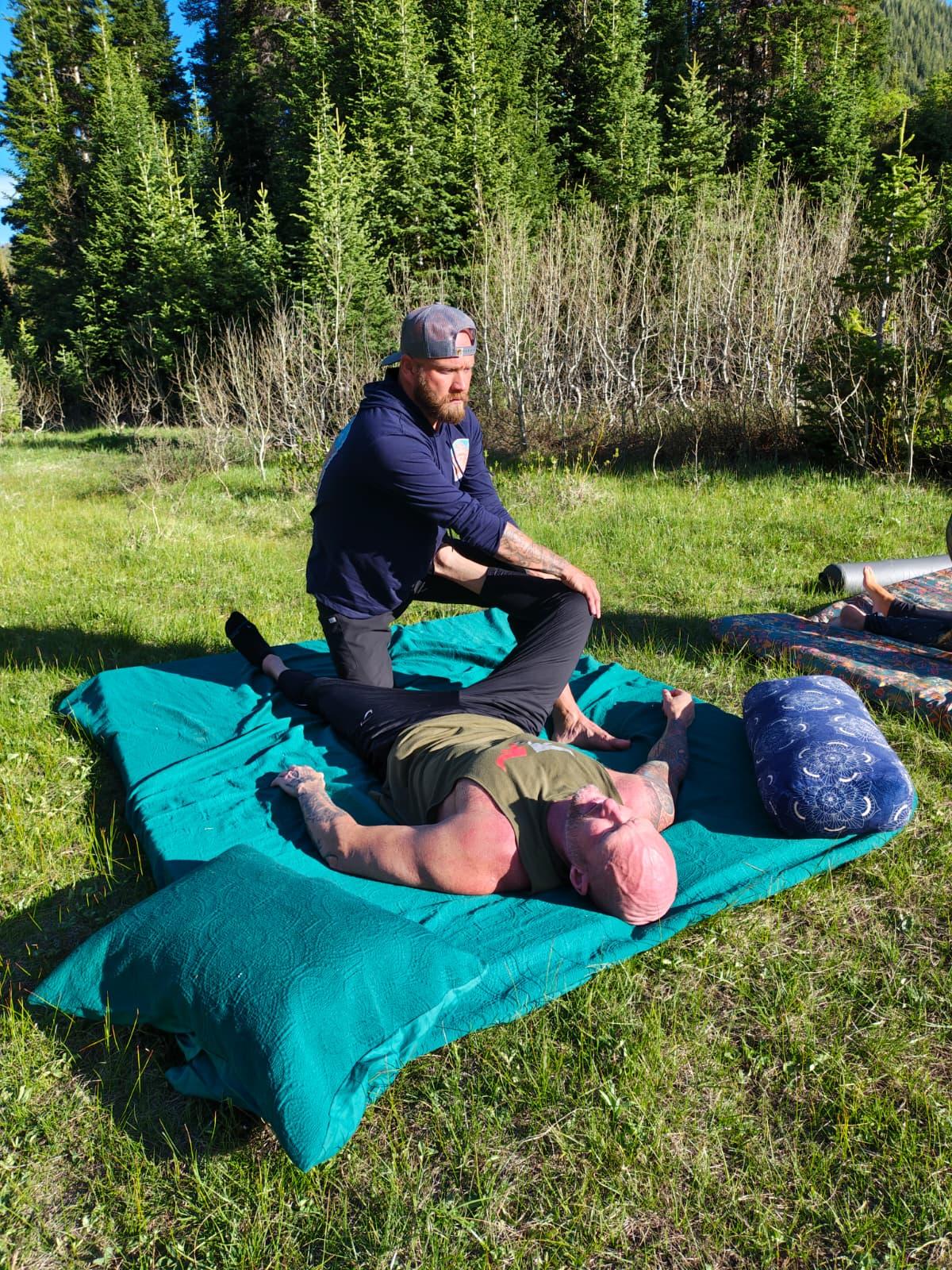
Stretch & Fascial Release: Practices that work with the body's connective tissue and movement patterns to release held tension and restore energetic flow through the physical body.
Sound Healing: The use of tuning forks, singing bowls, or vocal toning to shift energetic frequencies within and around the body.
Breathwork: Conscious breathing techniques that shift the nervous system, release stored emotions, and move stagnant energy through the body.
While each modality has its own unique philosophy and technique, they all share a common foundation: honoring the whole person — body, mind, and spirit — and trusting in the body's innate capacity to heal.
What Does a Session Feel Like?
People often describe energy work sessions as deeply relaxing — sometimes more restful than sleep. It's common to experience warmth, tingling, emotional releases, a sense of floating, or simply a profound quiet in the mind. Others notice shifts in chronic pain, improved sleep, greater clarity, or a feeling of emotional weight being lifted.
It's also worth noting that energy work is not a one-size-fits-all experience. Each session is unique, as is each person. Some people feel dramatic shifts immediately; others experience subtle changes that build over time. We always encourage our clients to come with an open mind and a willingness to simply receive.
"The body knows how to heal. Our role as practitioners is simply to create the space for that healing to happen."
Is Energy Work Supported by Science?
This is one of the most common questions we receive, and it's a fair one. The scientific research on energy work is still growing, but there is an increasing body of evidence suggesting that practices like Reiki, therapeutic touch, and craniosacral therapy can have measurable effects on heart rate variability, cortisol levels, pain perception, and psychological well-being.
Fascia research — a booming field within conventional medicine — is also revealing just how interconnected the body's tissues are, and how emotional and physical tension can literally be held within the connective tissue matrix. This emerging science is bringing new language and legitimacy to what energy workers have always known intuitively.
At Alleviating Hands, we honor both the ancient wisdom traditions and the evolving science. We believe you don't have to fully understand how something works to experience its benefits — just as you don't need to understand neurochemistry to feel better after a good night's sleep.
Who Can Benefit from Energy Work?
The short answer is: almost anyone. Energy work is gentle enough for all ages and can be particularly supportive for people experiencing:
• Chronic stress or burnout
• Anxiety, depression, or emotional overwhelm
• Chronic pain or injury recovery
• Grief or life transitions
• A desire for deeper self-awareness and personal growth
• Support alongside conventional medical treatments
Energy work is not a replacement for medical care, but a powerful complement to it. Many of our clients incorporate regular sessions into their wellness routines the same way they might see a chiropractor, therapist, or acupuncturist — as an ongoing investment in their overall health.
Ready to Experience It for Yourself?
If you've been curious about energy work but weren't sure where to start, we invite you to book a session with us at Alleviating Hands. We'll take the time to understand where you are, what you're moving through, and what kind of support feels right for your body.
We also encourage you to stay connected with us here on the blog as we continue sharing educational content, personal stories, and insights from our ongoing studies and training — including some exciting upcoming work that we can't wait to share with you soon.
With care and gratitude,
The Alleviating Hands Team